

Embracing Deaf Culture: My Journey as a Deaf Studies Student at the University of Arizona
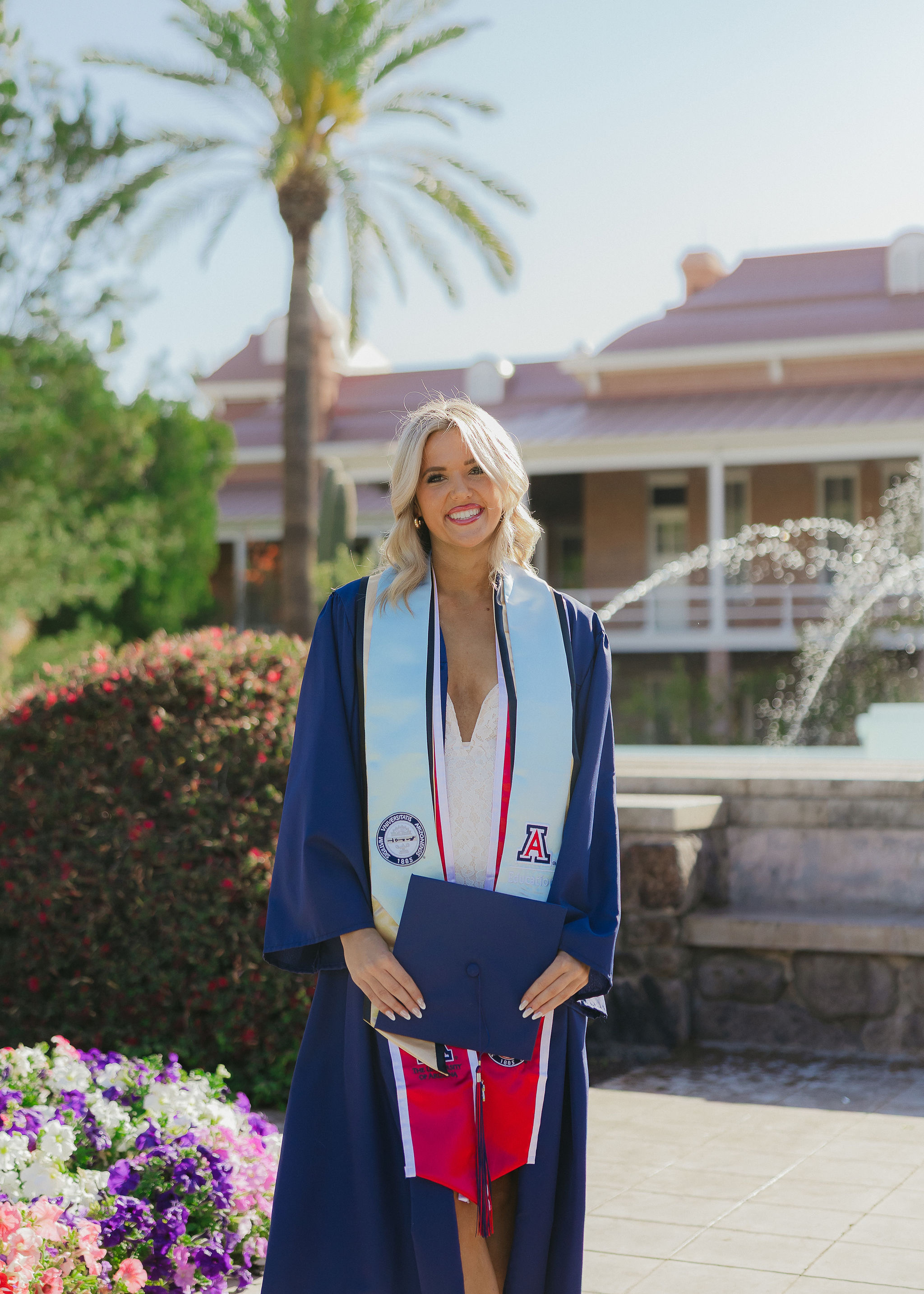
Starting in High School, I felt drawn to Deaf culture through my wonderful ASL Classes and Instructors. This passion grew steadily throughout high school, where I first encountered the richness of Deaf history, language, and community. Taking a bold step, I applied to the Educational Interpreting and Deaf Studies program at the University of Arizona, and was accepted. This decision transformed my understanding and deepened my connection to the Deaf world.

Discovering My Passion for Deaf Culture
My interest in Deaf culture began with curiosity about American Sign Language (ASL) and the experiences of Deaf individuals. High school offered me the first real exposure through ASL classes and local Deaf events. I realized that Deaf culture is not just about language but also about identity, community, and shared history.
This early exposure motivated me to pursue formal education in the field. The University of Arizona’s program stood out because it combines academic study with practical experience. I wanted to learn from Deaf teachers and mentors, immerse myself in Deaf environments, and contribute meaningfully to the community.
Immersive Learning Through Practical Experience
One of the most valuable parts of my education has been spending over 400 hours in Deaf classrooms. These classrooms are unique because all the teachers are Deaf, creating an environment where Deaf culture is lived daily. This immersion helped me understand the nuances of Deaf communication and the importance of cultural respect.
Having Deaf mentors has been equally important. They guided me not only in language skills but also in cultural norms and values. Their support made me more confident and aware of the responsibilities that come with working in Deaf education and interpreting.
Engaging with the Deaf Community
Beyond the classroom, I actively participated in Deaf events and social gatherings. These experiences allowed me to see Deaf culture in action—through storytelling, art, and community celebrations. Attending these events helped me build relationships and learn about the diversity within the Deaf community.
Social interactions in Deaf spaces are different from hearing environments. The use of ASL as the primary language creates a strong sense of belonging and mutual understanding. Being part of this community has enriched my life and reinforced my commitment to supporting Deaf individuals.

The Impact of Education on My Perspective
Studying Deaf Studies at the University of Arizona has changed how I view communication and accessibility. I learned that Deaf culture is not a disability but a distinct and vibrant culture with its own language and traditions. This perspective shift is crucial for anyone working with or within the Deaf community.
The program also taught me about the challenges Deaf people face, such as limited access to education and interpreting services. Understanding these barriers motivates me to advocate for better resources and inclusion.
Preparing for a Career in Educational Interpreting
My goal is to become a school director and educational interpreter who not only translates language but also bridges cultural gaps. The hands-on experience I gained through classroom hours and mentorship has prepared me to support Deaf students effectively.
I have learned that interpreting requires more than language skills; it demands cultural sensitivity, quick thinking, and a deep respect for Deaf identity. The University of Arizona’s program emphasizes these qualities, making graduates ready to contribute positively to Deaf education.
Continuing the Journey Beyond University
My journey with Deaf culture is ongoing. I plan to stay connected with the Deaf community and continue learning from Deaf leaders and peers. The foundation I built at the University of Arizona gives me confidence to pursue further opportunities in advocacy, education, and interpreting.
For anyone interested in Deaf culture, I recommend seeking immersive experiences and building genuine relationships within the community. These steps provide insights that textbooks alone cannot offer.


Comments